At Fortitude Nicsa Global, we are more than just a solutions provider—we are a partner in your journey toward greater efficiency, performance, and success. Get in touch with us today.
Last Updated: 28/07/2026
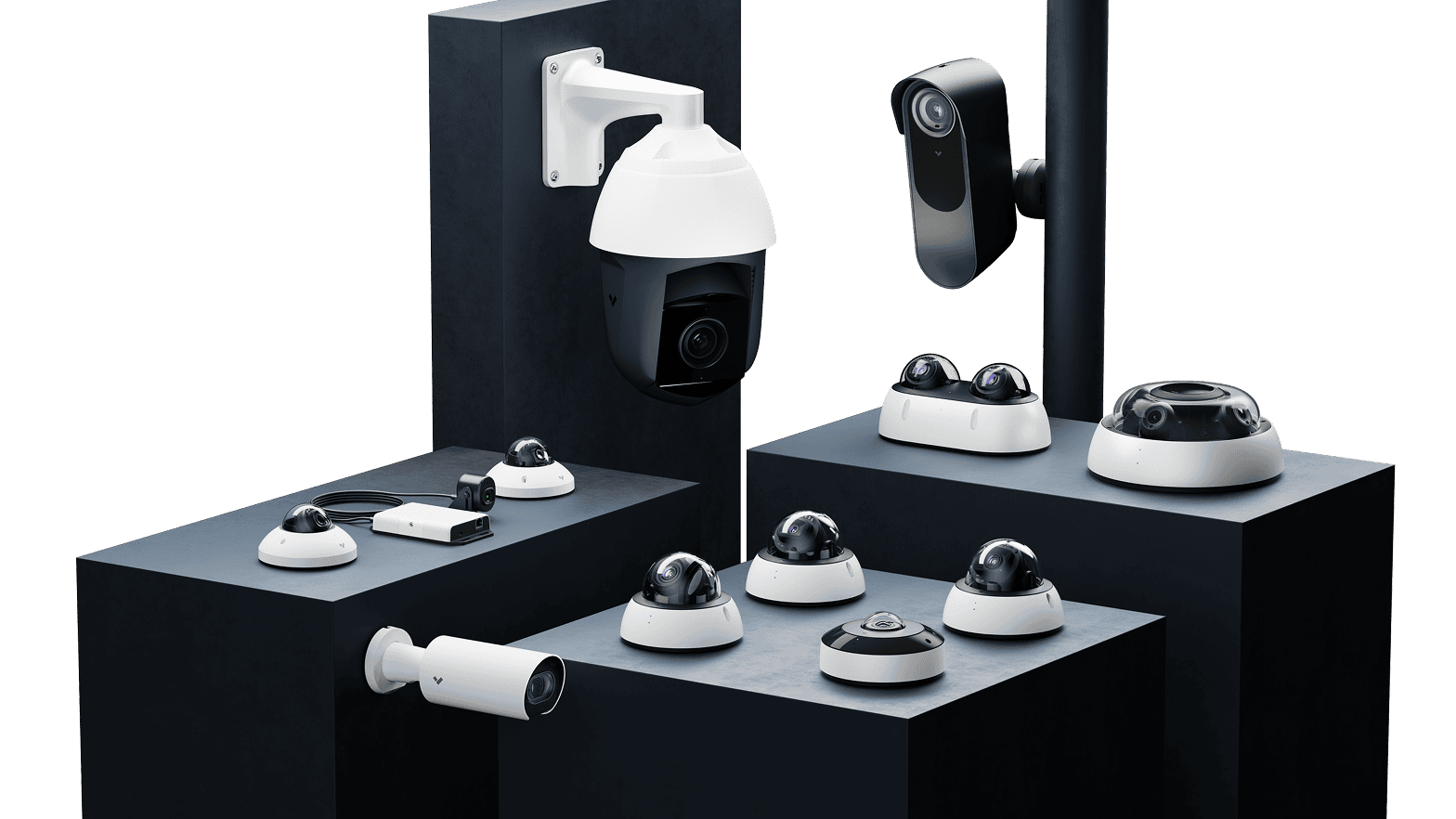
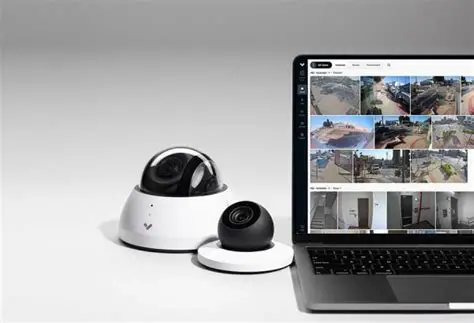
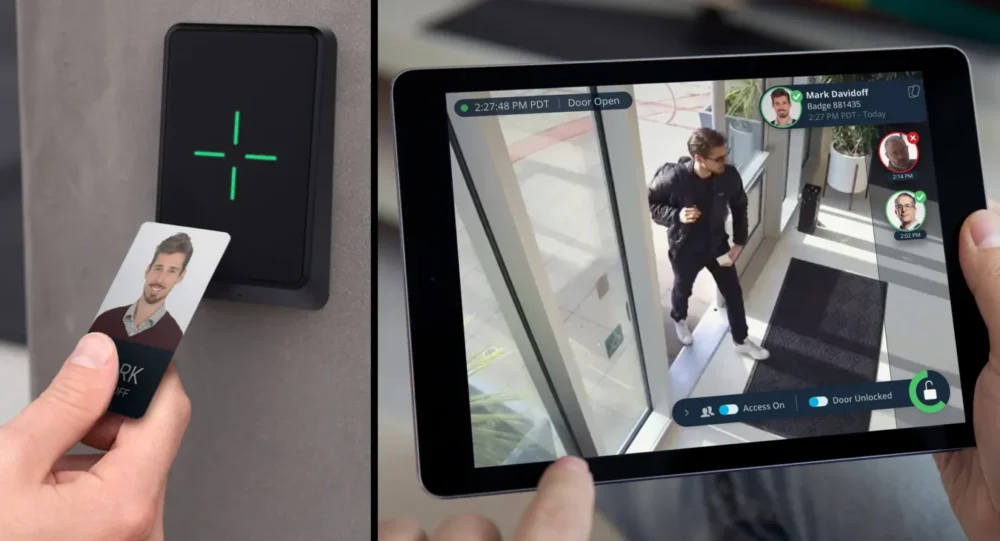
Verkada is a cloud-first physical security platform. That means your cameras, access control readers, environmental sensors, and alarms all connect to Verkada’s cloud, not to an on-premise server. Footage, event data, and system management flow through Verkada’s infrastructure, and your team administers everything from the Command platform.
The cloud-first architecture is a big part of what makes Verkada attractive: no DVR, no NVR, no patching servers. But it also means your internet connectivity and your data’s location in the cloud are real operational considerations, not afterthoughts.
This is the consideration most installations underestimate, and it deserves serious attention.
Canada’s federal privacy law, PIPEDA (Personal Information Protection and Electronic Documents Act), governs how organisations collect, use, and store personal information, including video footage that can identify individuals. PIPEDA requires that personal data be protected with appropriate safeguards, and it sets out rules around consent, purpose limitation, and accountability.
Quebec goes further. Law 25 (formerly Bill 64) came into force in phases through 2022 and 2023 and is among the strictest privacy frameworks in North America. If you operate in Quebec, even as an out-of-province business with a Quebec location, Law 25 applies. It requires organisations to document and justify any cross-border transfer of personal data, conduct privacy impact assessments (PIAs) for certain processing activities, and appoint a privacy officer.
For Verkada specifically, the question you need to answer is: where is your footage and event data stored, and does that location meet your obligations? Verkada offers data residency options, but you need to confirm the configuration for your deployment explicitly with your Verkada reseller and document that decision.
If you’re in a regulated industry, financial services, healthcare, government, you may have additional obligations on top of PIPEDA and provincial law. Get legal advice specific to your organisation if you’re unsure.
Verkada’s cloud-first architecture means a reliable, well-configured network is non-negotiable.
Bandwidth is the starting point. Verkada cameras use cloud-managed retention, which means footage is stored both on the device and uploaded to Verkada’s cloud. Each camera’s bandwidth requirement varies by resolution, frame rate, and retention settings, but as a rule, you need to size your internet connection for your camera count, not just your general business traffic. Verkada publishes bandwidth calculator tools, and your installation partner should run these numbers before anything goes on the wall.
PoE switches are typically how Verkada cameras receive power and connectivity. You’ll need managed PoE switches with sufficient wattage per port. Verkada has tested compatibility with a range of switches, but for clean deployments, many installers work with recommended hardware to avoid compatibility surprises.
Firewall rules need to be configured to permit Verkada’s outbound traffic. The platform uses specific destination domains and ports, your IT team or managed service provider will need to allow these through. Attempting to install Verkada in an environment with restrictive outbound filtering without sorting the firewall rules first is one of the most common causes of deployment delays.
Canada’s climate introduces physical installation factors you wouldn’t face in, say, southern California.
Exterior cameras need to be rated for the temperatures they’ll face. Canadian winters can push well below -20°C in many regions, and not all IP cameras handle that well even if they’re technically rated IP66. Check Verkada’s operating temperature specifications for each device and match them to your environment outdoor deployments in Alberta or Manitoba need different consideration than coastal British Columbia.
Cable runs in older Canadian commercial buildings can be longer than expected, particularly in heritage buildings or sprawling industrial facilities. Cat6 cabling has a practical maximum run of 100 metres for PoE, plan your switch placement accordingly, or factor in PoE extenders where needed.
Conduit and building code requirements vary by province and municipality. Your installer needs to be familiar with local electrical and building code requirements, in many jurisdictions, running cabling through walls or ceilings requires permits and inspections.
Access control hardware, door readers, electric strikes, maglocks, also needs to be specified for the environment. Exterior access points face freeze-thaw cycles, condensation, and UV degradation. Spec hardware appropriately for the installation site.
This is where Verkada sometimes surprises buyers who’ve only seen the hardware cost.
Verkada uses a per-device licensing model. Each camera, access control device, and sensor requires an active licence to remain fully functional. Licences are sold in multi-year terms (typically one, three, five, or ten years), and pricing varies by device type and term length.
This is not a small line item in your budget. For a deployment with 30 cameras and 10 access control readers, the licence cost over a five-year term can be comparable to, or exceed, the hardware cost itself. Before you commit to a Verkada rollout, get a full five-year total cost of ownership figure that includes hardware, licences, installation labour, and ongoing support.
If you’re comparing Verkada against traditional NVR-based systems or other cloud platforms, make sure you’re comparing like-for-like across total cost, not just upfront hardware.
The best Verkada deployment starts with the right partner. This isn’t just about finding someone who can mount cameras and run cable.
You need an installation partner who:
Ask prospective partners for examples of comparable Canadian deployments they’ve delivered. Ask how they handle the network and firewall configuration side of things, not just the physical install.
Verkada is a strong platform when it’s deployed correctly. The combination of cloud management, hardware quality, and unified security visibility is genuinely useful for organisations managing multiple sites. But getting there requires the right planning upfront, particularly around privacy compliance, network design, and total cost.
If you’re rolling out Verkada across Canadian locations and want to work with a team who understands both the technical and compliance side of the deployment, get in touch with the team at Fortitude Nicsa Global. We work across 150+ countries, including Canadian deployments, and we’re here to make sure your installation goes the way it should.
Book a free discovery call to talk through your project.
Want to find out more about our Hamina Wireless Survey Options? Schedule a call with us today to see how we can help.